Recent Innovations in Remodeling: How to Choose the Right Contractor for Your Home Makeover
Within the changing world of home remodeling, choosing the right contractor has become more important than ever. As trends transition to sustainable materials and advanced technologies, homeowners face new challenges. Understanding the qualities that characterize a reliable contractor is essential. Additionally, effective communication can substantially affect linked article the success of a project. What should homeowners focus on when evaluating potential candidates? Examining these considerations can lead to a more satisfying renovation experience.
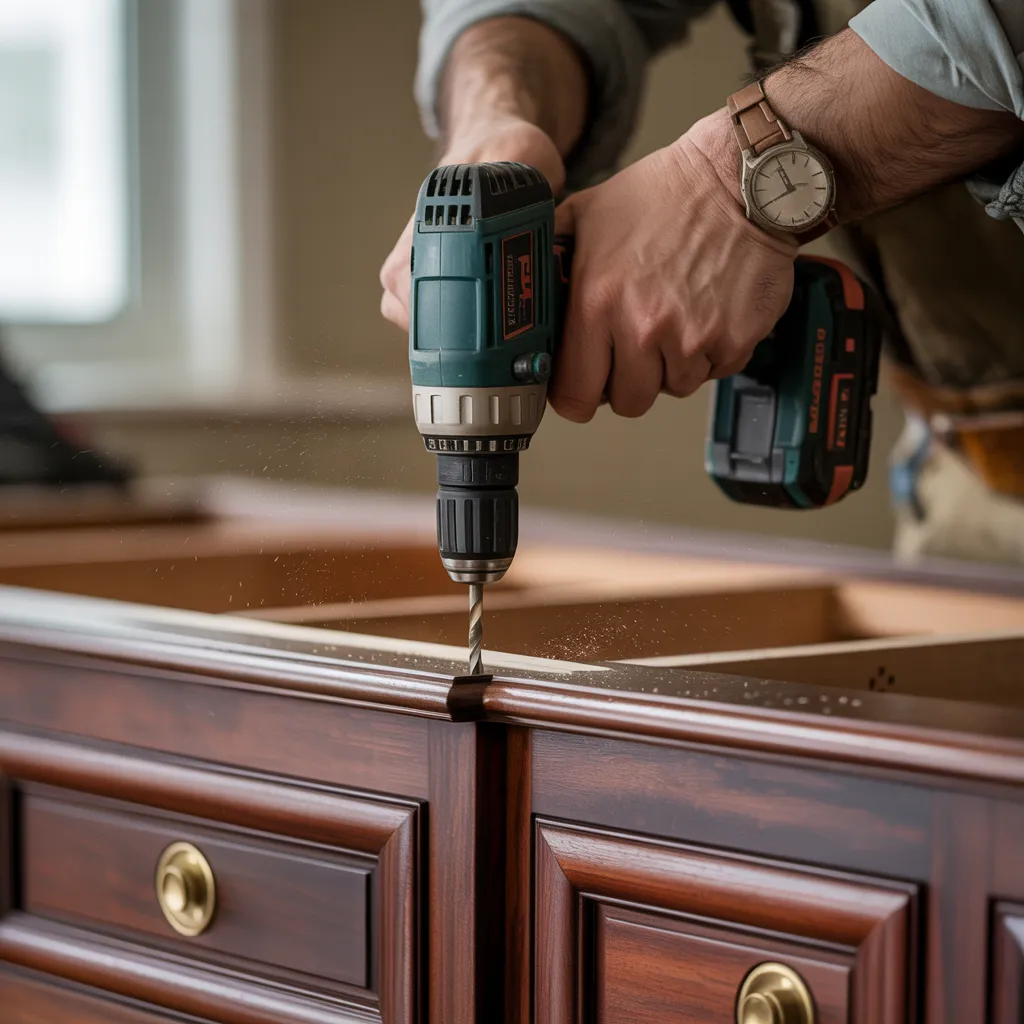
Modern Remodeling Patterns to Take Into Account
As residential property owners steadily pursue enhancements to their home spaces, today's renovation trends reveal a fusion of functionality and aesthetics. One prominent trend is the integration of sustainable materials, as eco-conscious choices increase in demand. Homeowners are selecting bamboo flooring, recycled glass countertops, and energy-efficient appliances, supporting both environmental responsibility and stylish designs.
Open-concept arrangements remain trendy, facilitating effortless flow between spaces and maximizing natural light. This trend highlights the importance of creating welcoming environments where family and friends can gather.
Moreover, smart home technology is becoming a staple, with homeowners welcoming automation for lighting, heating, and security systems, improving convenience and efficiency.
Lastly, biophilic design, which integrates natural elements, is growing in popularity, promoting a connection to nature through indoor plants and natural light. These trends highlight a increasing desire for homes that marry beauty with practical living, making certain spaces are not only visually attractive but also functional.
Essential Qualities to Evaluate in a Contractor
Choosing a contractor for a house remodeling requires thoughtful assessment of various key qualities that can substantially impact the outcome of the project. First and foremost, a reputable contractor should possess a valid license and insurance, providing compliance with local regulations and providing protection against potential liabilities. Experience in the exact type of remodeling desired is also essential, as it demonstrates competence and familiarity with comparable projects.
Additionally, a strong portfolio presenting previous work shows a contractor's craftsmanship and style. Excellent client testimonials reflect reliability and customer satisfaction, functioning as a valuable resource for would-be homeowners. Furthermore, transparency in pricing and contracts is important; a reliable contractor supplies detailed estimates and is upfront about any potential costs. Lastly, a commitment to quality materials and workmanship is critical, as it determines the longevity and aesthetics of the completed project. These qualities collectively lead to a successful and satisfactory home transformation.
The Significance of Communication and Collaboration
Productive communication and partnership between house owners and construction experts are fundamental aspects that can considerably shape the final result of a home remodeling project. A clear exchange of ideas and expectations helps both parties align on the project's vision, timeline, and budget. Property owners need to express their wishes and worries while building professionals should offer candid input and recommendations drawing from their experience.
Regular check-ins and updates foster a cooperative environment, minimizing misunderstandings and enhancing trust. When clients are engaged in the decision-making journey, it frequently produces increased satisfaction with the final outcome. In addition, a partnership-focused approach empowers contractors to handle prospective difficulties efficiently, ensuring the work stays on course.
Eventually, successful communication and collaboration establish a partnership that not only promotes a more seamless renovation experience but also supports the successful execution of a homeowner's vision, making it a critical aspect of selecting the right contractor.
Examining Contractor Portfolios and References
Homeowners need to evaluate contractor portfolios and references to guarantee they are making an informed choice. A contractor's portfolio displays their previous work, providing insight into their style, quality, and experience. Homeowners need to find projects comparable to their own and evaluate the craftsmanship and attention to detail in the photographs.
Furthermore, getting in touch with references is crucial. Communicating with past clients enables homeowners to gauge the contractor's reliability, communication skills, and ability to meet deadlines. It is recommended to ask detailed questions related to the overall experience, problem-solving competencies, and satisfaction with the final results.
In addition, web-based reviews and ratings can deliver further context about a contractor's reputation. By carefully evaluating references and portfolios, homeowners can come to a highly sound decision, ensuring they pick a contractor who corresponds to their vision and expectations for their home makeover project.
Developing a Financial Plan for Your Home Remodeling Project
Setting up a realistic budget is vital for any home remodeling project, as it serves as the foundation for decision-making throughout the process. Homeowners should start by examining their financial capacity and determining how much they are willing to invest. This includes considering all potential costs, such as materials, labor, permits, and unexpected expenses.
To create a thorough budget, it is wise to gather various estimates from contractors, facilitating comparison and knowledgeable choices. Homeowners should prioritize their needs against wants, making certain that vital updates are addressed within the budget constraints.
In addition, reserving a contingency fund of 10-20% for unanticipated issues can avert financial strain. Routinely assessing and updating the budget as the project progresses will enable preserving financial control. Eventually, a carefully planned budget not only promotes a better remodeling experience but also assists in accomplish expected outcomes without surpassing financial limits.
Questions & Answers
How Long Will My Remodeling Project Take to Complete?
A remodeling project's duration varies, typically spanning from a few weeks to several months. Elements including project scope, contractor efficiency, and material availability substantially affect the complete project timeline.
What Permits Will My Remodeling Project Require?
For any remodeling work, required permits generally include building, electrical, plumbing, and zoning permits. Local requirements can vary, so it is essential for homeowners to contact their local building department before commencing any renovation.
Is It Possible to Stay in My Home During Renovations?
Occupying a residence during remodeling is doable, however it can prove demanding. Homeowners should consider safety, noise, and disruptions. Advance preparation and dialogue with builders ensures a more seamless process while preserving some routine.
What Occurs if I Need to Modify My Design During the Project?
If a homeowner needs to change their design mid-project, it can lead to delays and additional costs. Clear communication with the contractor is crucial to evaluate what's possible and modify plans without jeopardizing the project timeline.
How Can I Manage Unexpected Costs During Renovation?
To manage unexpected costs during remodeling, one should promptly communicate with the contractor, reevaluate the budget, examine alternative solutions, and sustain flexibility. Setting aside funds for contingencies in advance can help mitigate financial strain throughout the project.